
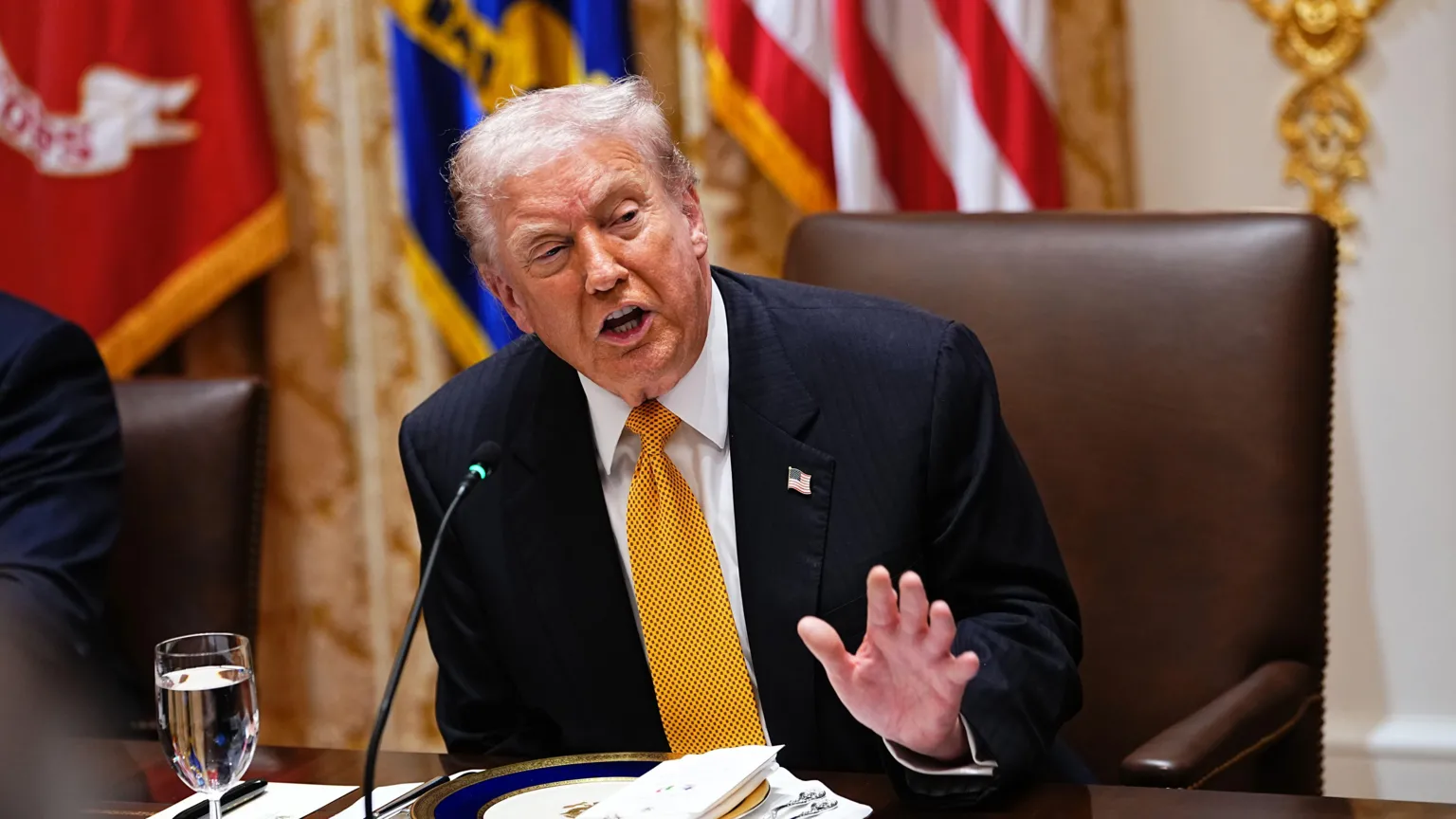
U.S. President Donald Trump said he will suspend planned bombing operations against Iran for two weeks after Tehran agreed to allow controlled passage through the Strait of Hormuz, easing immediate fears of a major escalation in the Middle East.
Trump announced the decision Tuesday, hours before a self-imposed deadline for military action, saying the pause was conditional on Iran ensuring the “complete, immediate, and safe” reopening of the strategic waterway. He credited Pakistan’s leadership with helping mediate the last-minute agreement.
Iranian Foreign Minister Abbas Araghchi confirmed the tentative deal, saying Iran would halt its defensive operations if attacks against the country stop. He added that safe passage through the Strait of Hormuz would be permitted for two weeks in coordination with Iran’s armed forces.
The announcement followed days of heightened tensions and stark warnings from Trump, who had threatened sweeping strikes on Iran’s infrastructure. Earlier Tuesday, he warned that “a whole civilization will die tonight” if Tehran failed to comply.
Trump said the temporary ceasefire would allow both sides to finalize a broader agreement, adding that Iran had submitted a 10-point proposal that could form the basis for long-term peace talks.
The conflict, now in its fifth week, began after a joint U.S.-Israeli offensive against Iran on February 28. Thousands have been killed across the region, including more than 2,000 people in Iran, according to reported estimates.
The Strait of Hormuz, a vital global shipping route that carries nearly a fifth of the world’s oil and gas, has been central to the crisis. Iran had previously restricted access, driving up global energy prices and increasing pressure on the Trump administration.
While the pause in hostilities was welcomed across the region, uncertainty remains over whether the ceasefire will hold and whether all parties, including Israel, will adhere to its terms. Further negotiations are expected to take place in Islamabad in the coming weeks.