
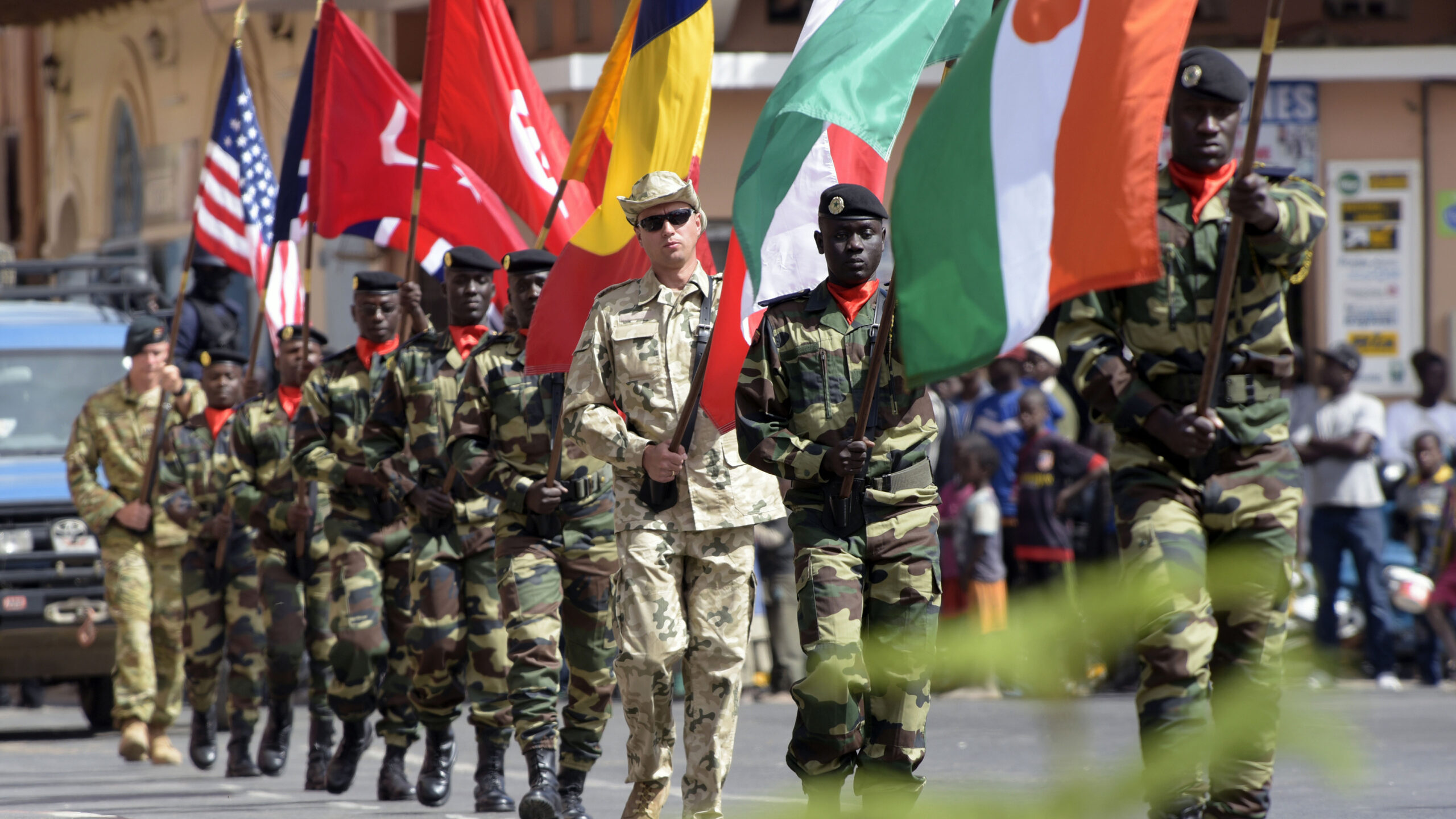
The U.S. military is shifting its strategy in Africa, moving away from a focus on governance and development toward urging partner nations to take greater responsibility for their own security, officials said during African Lion 2025, the continent’s largest joint military exercise.
Gen. Michael Langley, head of U.S. Africa Command (AFRICOM), said the pivot aims to promote “independent operations” and “burden sharing” among African allies, as insurgent threats intensify across the region.
More than 40 countries participated in the exercise, which focused on combat tactics and drone warfare. The long-emphasized U.S. strategy of a “whole-of-government” approach—integrating diplomacy, development and defense—has taken a back seat, reflecting a broader shift in U.S. military policy that began under former President Donald Trump, prioritizing homeland security and reducing overseas military presence.
Africa has emerged as a new hub for extremist groups, with U.S. officials describing it as the “epicenter” of al-Qaida and Islamic State activity. Despite years of American assistance, many African militaries remain under-equipped to counter growing insurgencies.
Langley acknowledged ongoing challenges in countries like Somalia, where the national army continues to struggle despite extensive U.S. training and support.
Security analysts warn that diminishing Western engagement, particularly in unstable regions such as the Sahel, could allow extremist groups to expand amid weak governance and fragile infrastructure.
The U.S. maintains that local empowerment is key, but critics argue that the timing of the strategic shift could risk deepening instability across the continent.