
The decision was announced by Ghana’s finance ministry in a post on X on Monday.
The ministry also revealed new restrictions on the importation of cooking oil, rice, sugar, textiles, and frozen foods.
Authorities say the measures are designed to protect government tax revenues and shield local industries from cheaper goods entering the country through informal cross-border trade.
President John Mahama referenced the policy while inaugurating a new pasta production facility operated by Olam Agri. According to Bloomberg, the plant marks a significant step in Ghana’s effort to strengthen local food processing and reduce dependence on imports.
Between 2021 and 2024, Ghana imported approximately $140 million worth of pasta, making it the second-largest importer of the product in Africa after neighboring Togo.
The newly opened plant is expected to produce about 40,000 tonnes of wheat-based pasta each year. Olam Agri said the facility could meet around 40 percent of Ghana’s domestic demand.
The company added that the project will generate about 300 direct and indirect jobs across areas such as operations, engineering, supply chain management, distribution, and support services.
However, analysts note that the country’s savings on imports may be limited because the factory still relies on imported wheat as its primary raw material.
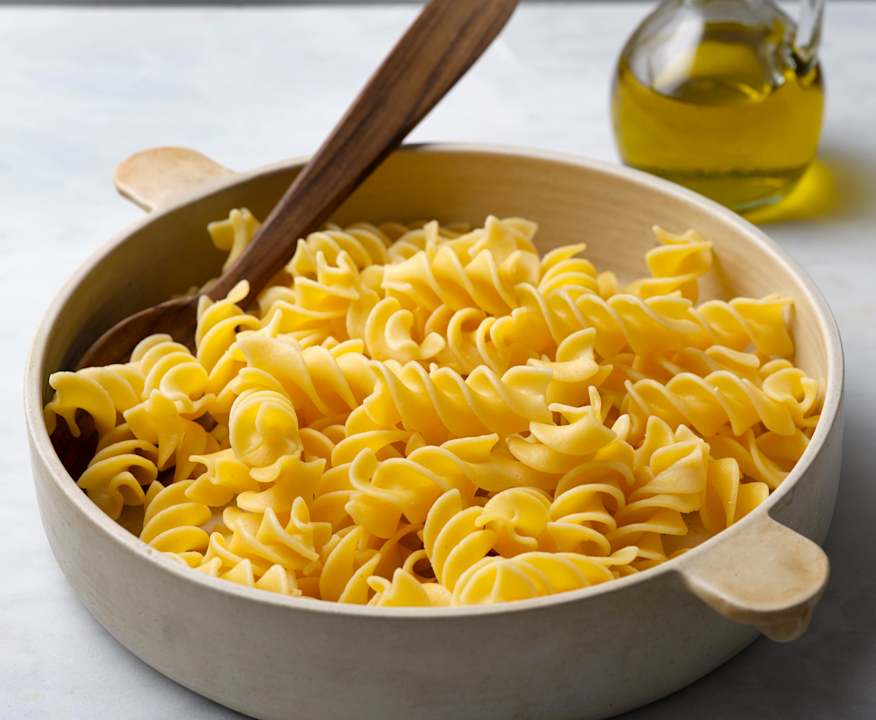
Pasta remains a widely consumed staple in Ghana. Locally known as “talia,” it is often served with waakye, a popular rice-and-beans dish commonly eaten for breakfast or lunch.
The popularity of the dish has contributed to Ghana becoming Africa’s second-largest consumer of pasta, according to Mahama.