
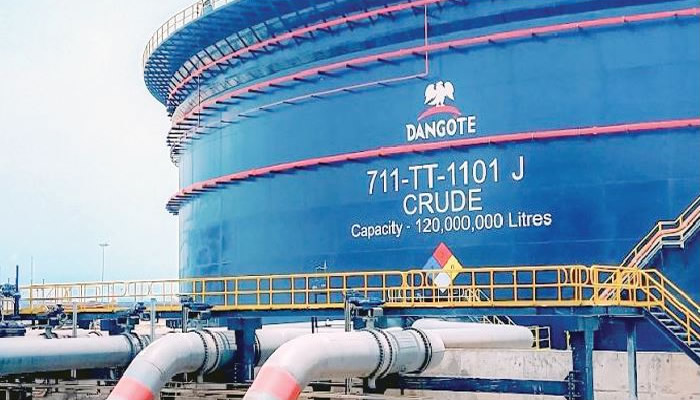
Despite being one of Africa’s leading oil producers, Nigeria remains exposed to global price shocks—especially amid escalating tensions linked to the U.S.-Israel conflict with Iran. However, domestic supply concerns are being partly cushioned by billionaire Aliko Dangote’s refinery in Lagos, which has a processing capacity of about 650,000 barrels of crude oil per day.
On Tuesday, the Dangote Refinery reduced the prices of petrol and diesel, reflecting a broader decline in global crude oil prices. Petrol now sells at 1,075 naira per litre, down by 100 naira, while diesel dropped by 190 naira to 1,430 naira per litre.
The move has been welcomed by industry stakeholders, including the Petroleum Products Retail Outlets Owners Association of Nigeria. Its president, Billy Gillis-Harry, described the refinery as a critical buffer against market instability, noting that “given the volatility of prices, the Dangote refinery is our salvation.”
Earlier in the week, refinery officials confirmed that the facility continues to operate at full capacity. However, concerns remain over the regulatory burden, with management pointing to the cost implications of dealing with what it described as oversight from 47 government agencies.
The Dangote Group is also still sourcing part of its crude supply from international markets. In response, the company is advocating for policies that prioritize local refineries’ access to Nigeria’s crude oil, arguing that such measures would strengthen domestic production during periods of global uncertainty.
The ongoing conflict in the Middle East is already affecting key oil transit routes, particularly the Strait of Hormuz—widely regarded as the world’s most critical passage for oil shipments. Vessel traffic through the strait has declined significantly since the outbreak of hostilities, contributing to continued volatility in global oil prices.