
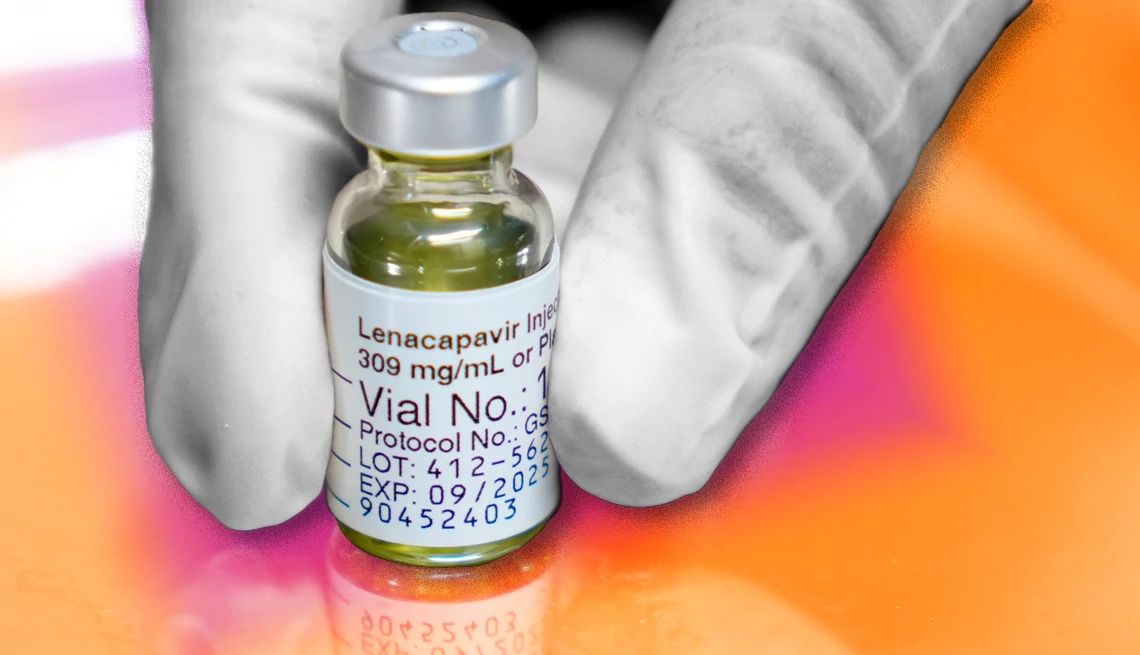
South Africa, Eswatini and Zambia on Monday began administering a new twice-yearly HIV-prevention injection, marking the first public rollout of the drug in Africa, the region with the world’s highest HIV burden.
The injection, lenacapavir, has shown more than 99 percent efficacy in reducing HIV transmission, making it one of the most promising prevention tools developed to date. Eastern and southern Africa account for about 52 percent of the 40.8 million people living with HIV worldwide, according to UNAIDS.
In South Africa, where about one in five adults is living with HIV, the initial rollout is being led by a research unit at Wits University under a Unitaid-funded project. The United Nations-backed health agency confirmed that the first participants have received the shot, calling the move “among the first real-world use” of the long-acting injectable in low- and middle-income countries. It did not say how many people received the initial doses.
Lenacapavir costs about $28,000 per person annually in the United States. South Africa is expected to begin a broader and more affordable national rollout next year.
Eswatini and Zambia, which received 1,000 doses each last month through a U.S.-supported program, were also set to begin administering the injection during World AIDS Day events on Monday.
Generic versions of lenacapavir are expected to enter the market in 2027 at roughly $40 per person per year in more than 100 countries under agreements negotiated with Indian manufacturers by Unitaid and the Bill & Melinda Gates Foundation.
The new shot is anticipated to greatly expand access to pre-exposure prophylaxis, or PrEP, which has relied mainly on daily oral medication that has seen limited uptake around the world.